History
Our Intent
At The Drive Primary School, we aim to inspire a lifelong love of learning through a rich, engaging and inclusive History curriculum. We encourage children to be curious about the past, think critically and develop enquiring minds that explore how people lived, what they believed and how their actions have shaped the world today.
Throughout their journey at The Drive, we want children to think like historians. Pupils learn to ask questions, investigate evidence, interpret sources and consider different viewpoints, developing the skills needed to understand and explain the past.
Through the study of local, national and global history, children develop empathy, respect and a greater understanding of their place in the wider world while building cultural capital and an appreciation of their heritage. Our curriculum reflects our values of being caring, tolerant, honest, hardworking and self-disciplined, whilst building cultural capital and preparing pupils to become informed and responsible citizens.
History also promotes our RESPECT values, encouraging children to think hard, have a go, remain resilient, use their imagination and enjoy learning.
Implementation
At The Drive Primary School, History is taught through the Kapow Primary History Scheme, providing a clear progression of knowledge and disciplinary skills from Early Years to Key Stage 2. Learning is carefully sequenced so that children build on prior knowledge and make meaningful connections across different periods of history.
Our enquiry-led approach encourages pupils to work as historians, investigating evidence, discussing interpretations and using sources to answer historical questions. Lessons focus on developing understanding through key concepts including:
- Chronology
- Cause and consequence
- Continuity and change
- Historical enquiry and interpretation
Children explore local, national and global history through the study of significant individuals, events and civilisations, broadening their understanding of the world and its diverse heritage.
Learning is enriched through practical and immersive experiences, including educational visits, artefact exploration, role play and themed days. Through collaborative discussion and investigation, pupils develop confidence, resilience and independence whilst becoming knowledgeable and enthusiastic young historians.
Through an enquiry-led approach, pupils are encouraged to ask questions, investigate evidence, discuss different viewpoints and think critically about the past. Children are active participants in their learning, developing the knowledge, skills and confidence to make sense of historical events and understand their impact on the world today.
Our lessons incorporate the Kagan cooperative learning approach, ensuring all pupils are fully involved in their learning through structured discussion, teamwork and collaborative problem-solving. By talking, listening and learning together, children deepen their understanding whilst developing important social and communication skills.
History is brought to life through practical and engaging experiences, including artefact handling, source investigation, role play, storytelling, educational visits and immersive learning opportunities. These experiences help children make meaningful connections and develop a genuine enthusiasm for the subject.
Throughout their History learning, pupils are encouraged to demonstrate RESPECT values by:
- Respect – Valuing the lives, achievements and experiences of people from the past and appreciating different cultures and viewpoints.
- Empathy – Thinking about how people may have felt in different periods of history and understanding the challenges they faced.
- Self-Awareness – Reflecting on how the past has shaped our lives, communities and understanding of the world today.
- Passion & Positivity – Approaching historical enquiries with curiosity, enthusiasm and a willingness to explore new ideas.
- Excellence – Using evidence carefully, asking thoughtful questions and striving to produce our very best work as young historians.
- Communication – Sharing historical knowledge, discussing ideas respectfully and explaining opinions using evidence.
- Teamwork – Working collaboratively to investigate the past, solve historical questions and learn from one another's perspectives.
History provides valuable opportunities for pupils to develop their spiritual, moral, social and cultural understanding, helping them mature into responsible citizens who respect and appreciate different people, cultures and experiences.
Teaching is inclusive, adaptive and personalised to ensure that every pupil can succeed. Teachers provide appropriate support, challenge and scaffolding so that all children can access learning, make excellent progress and achieve their full potential. Through a nurturing and supportive environment, pupils feel happy, safe and valued, enabling them to develop both as historians and as confident, lifelong learners.
The Impact of History
Through our History curriculum, children develop:
- A secure understanding of the past and its impact on the world today
- The ability to think like historians by asking questions, investigating evidence and drawing conclusions
- Confidence in discussing, explaining and interpreting historical information
- Respect, empathy and appreciation for different cultures, beliefs and perspectives
- Curiosity about the world and a love of learning
- Build a rich and connected understanding of history, drawing on prior learning to explain links between periods, events and significant individuals.
- Cultural capital through learning about significant local, national and global history, helping them understand their heritage and the wider world
We see the impact of our curriculum through children who:
- Demonstrate increasing knowledge and understanding of historical periods, events and people
- Confidently recall and apply key historical knowledge and vocabulary, making links between prior and current learning
- Make meaningful connections between different topics and areas of learning
- Use historical vocabulary accurately and confidently
- Ask thoughtful questions and justify their ideas using evidence
- Engage enthusiastically in discussions, investigations and practical learning experiences
- Show an appreciation of their local area's history and its place within wider historical events and developments
- Show resilience, independence and curiosity through the use of our Drive Learning Muscles
By the time they leave The Drive Primary School, children are confident young historians who can reflect on the past, understand how it has shaped the present and appreciate their role in the future. They leave with the knowledge, skills and curiosity needed to continue exploring the world around them as informed, respectful and lifelong learners.
All year groups follow the 2014 National Curriculum for all subject areas. Please find copy of the curriculum overview below. If you should require any further information with regards to our curriculum coverage, please speak to a member of staff.
National Curriculum Link:
History at The Drive Primary
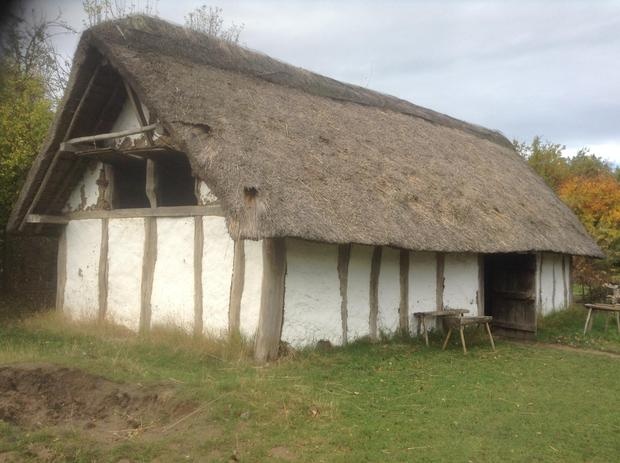
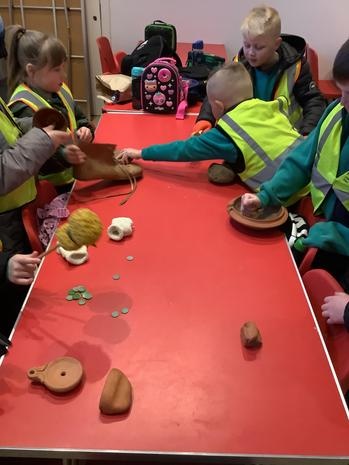
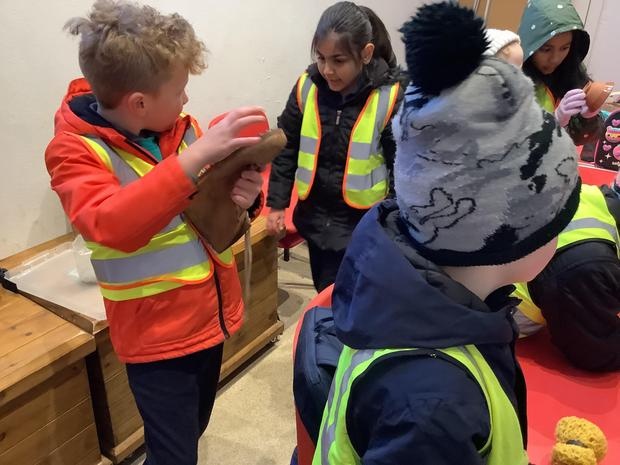
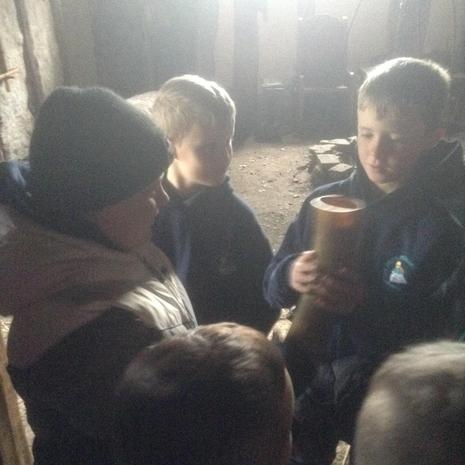
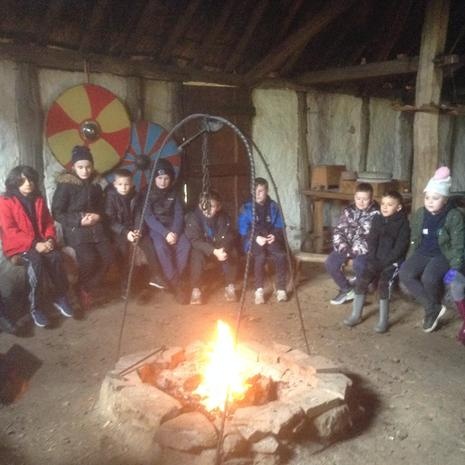
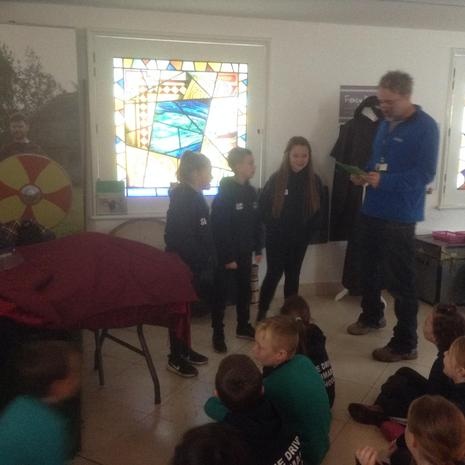
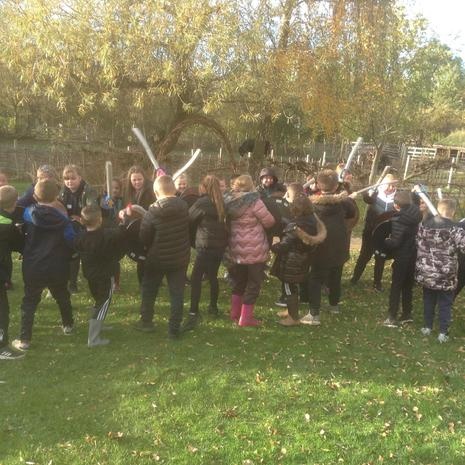
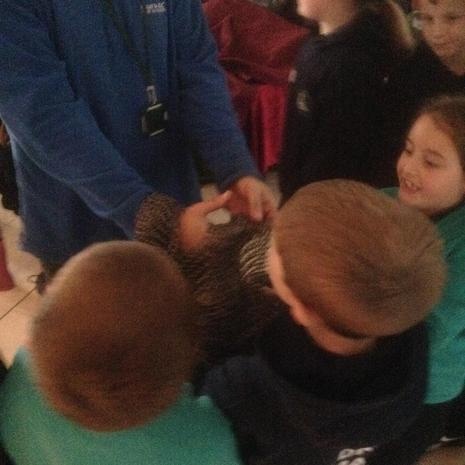
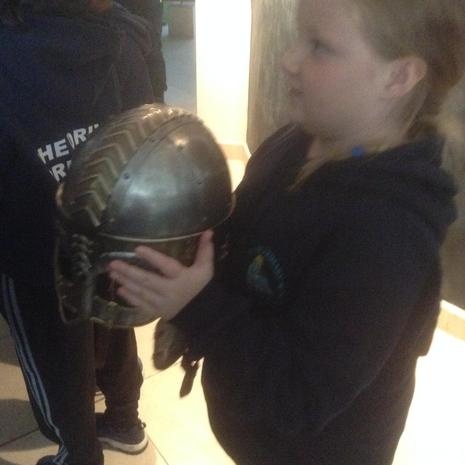
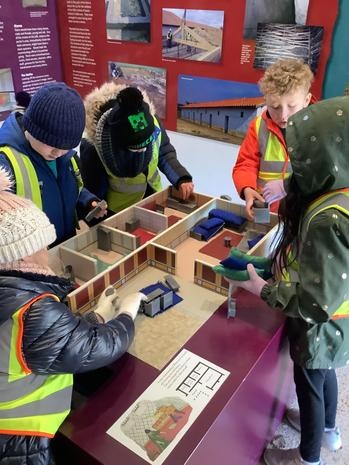
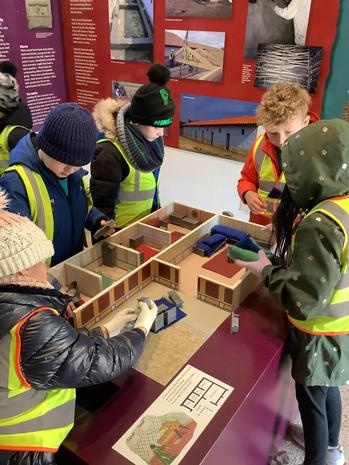
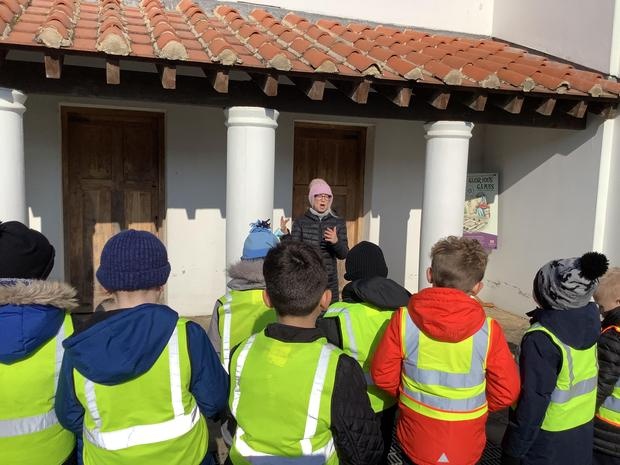
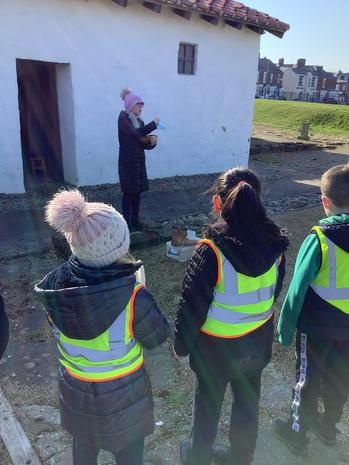
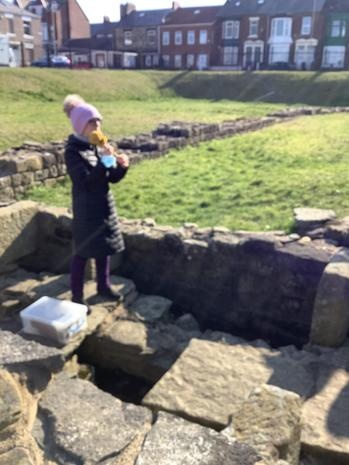
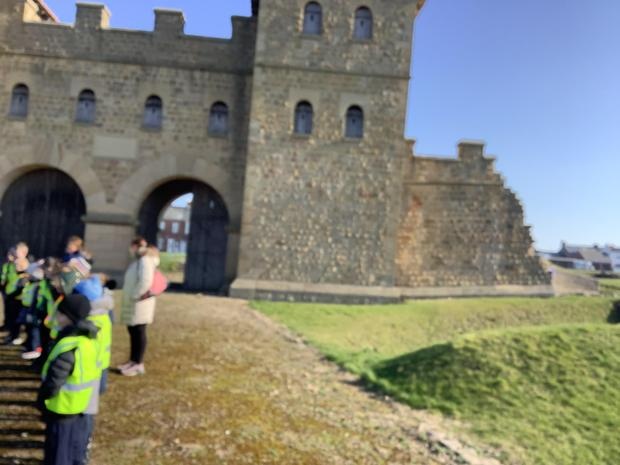
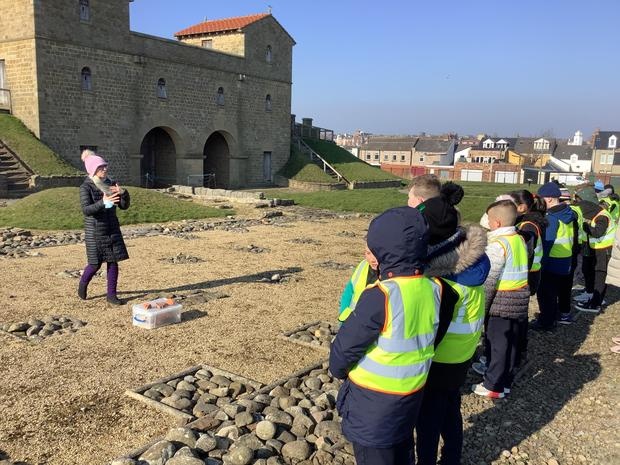
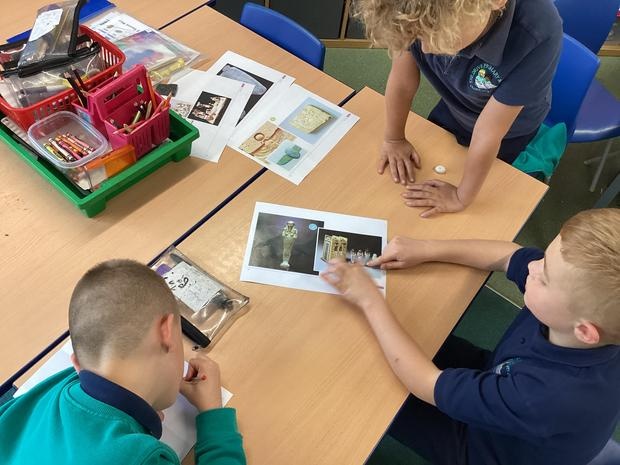
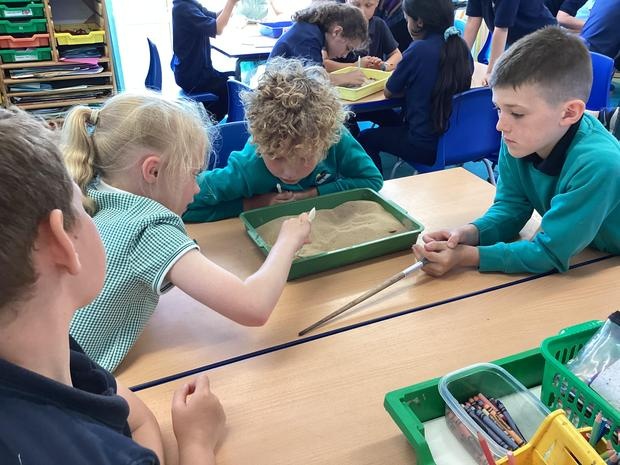
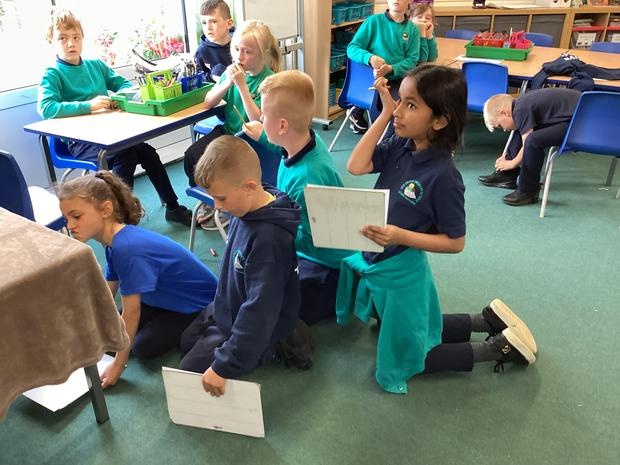
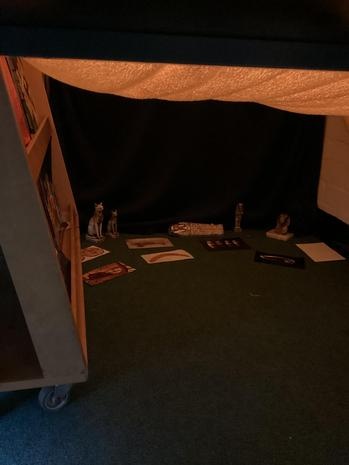
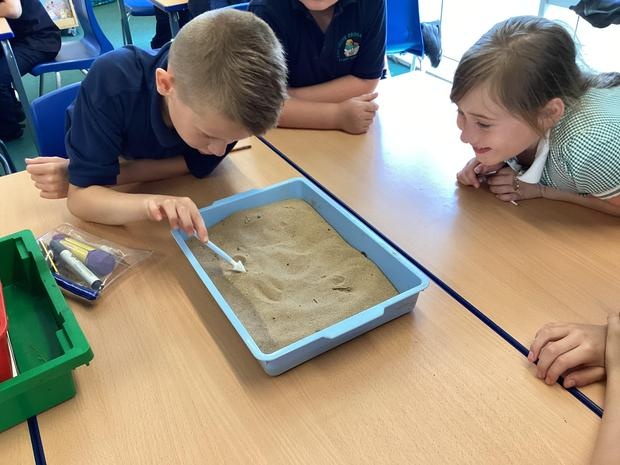
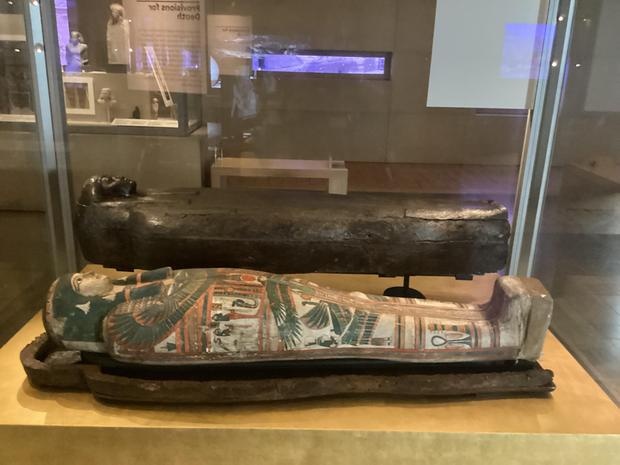
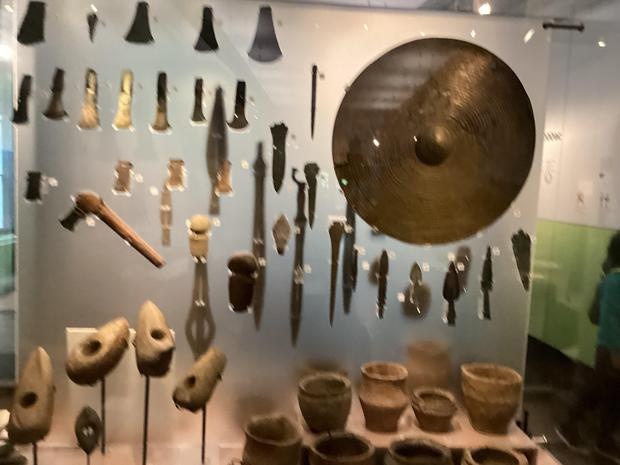
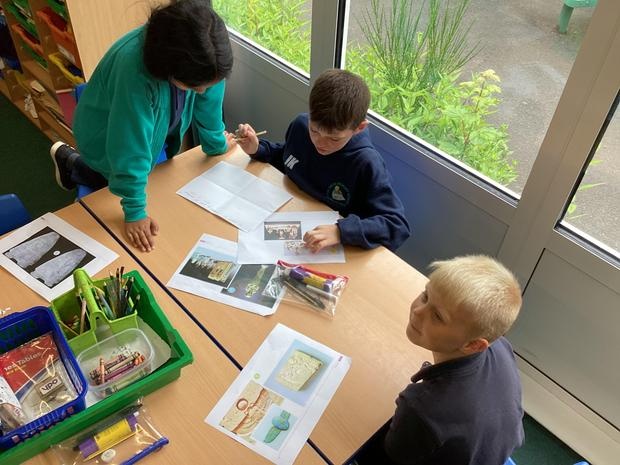
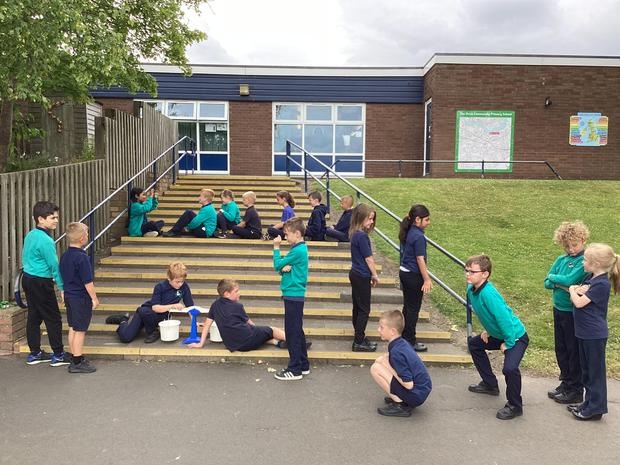
We aim to bring the history period we study to life through trips, visitors, a variety of practical activities, drama or role play where appropriate, the use of artefacts and investigating the history of the local area.